Comprehensive Guide & Technical Breakdown
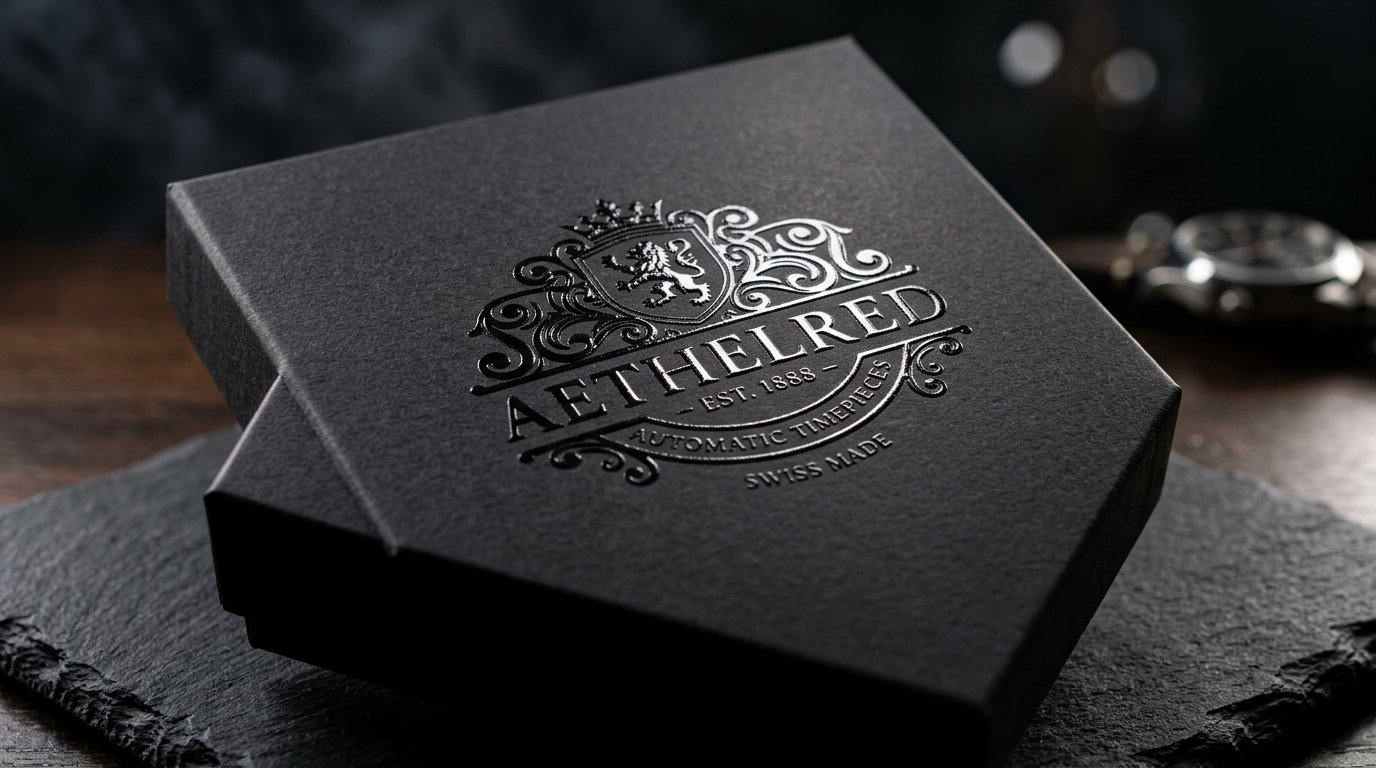
Surface coatings protect printed ink from smudging and enhance visual sheen. Here is how the three main types compare:
### 1. Aqueous Coating (Water-Based — Industry Standard)
- How it works: Water-based clear coating applied inline on press that dries rapidly via warm air.
- Finish: Available in gloss, satin, and matte.
- Sustainability: 100% recyclable, biodegradable, and non-toxic. The default choice for food and everyday retail packaging.
- How it works: Liquid polymer coating cured instantaneously under intense ultraviolet lamps.
- Finish: Ultra-high gloss (mirror shine) or ultra-deep matte with extreme chemical and rub resistance.
- Best for: High-end cosmetics, luxury mailers, and selective Spot UV accents.
- How it works: Uses chemical solvent carriers. Largely phased out in modern packaging due to VOC emissions and environmental regulations.
### 2. UV Varnish (Ultraviolet Cured — High Gloss)
### 3. Solvent Coating (Traditional)