Comprehensive Guide & Technical Breakdown
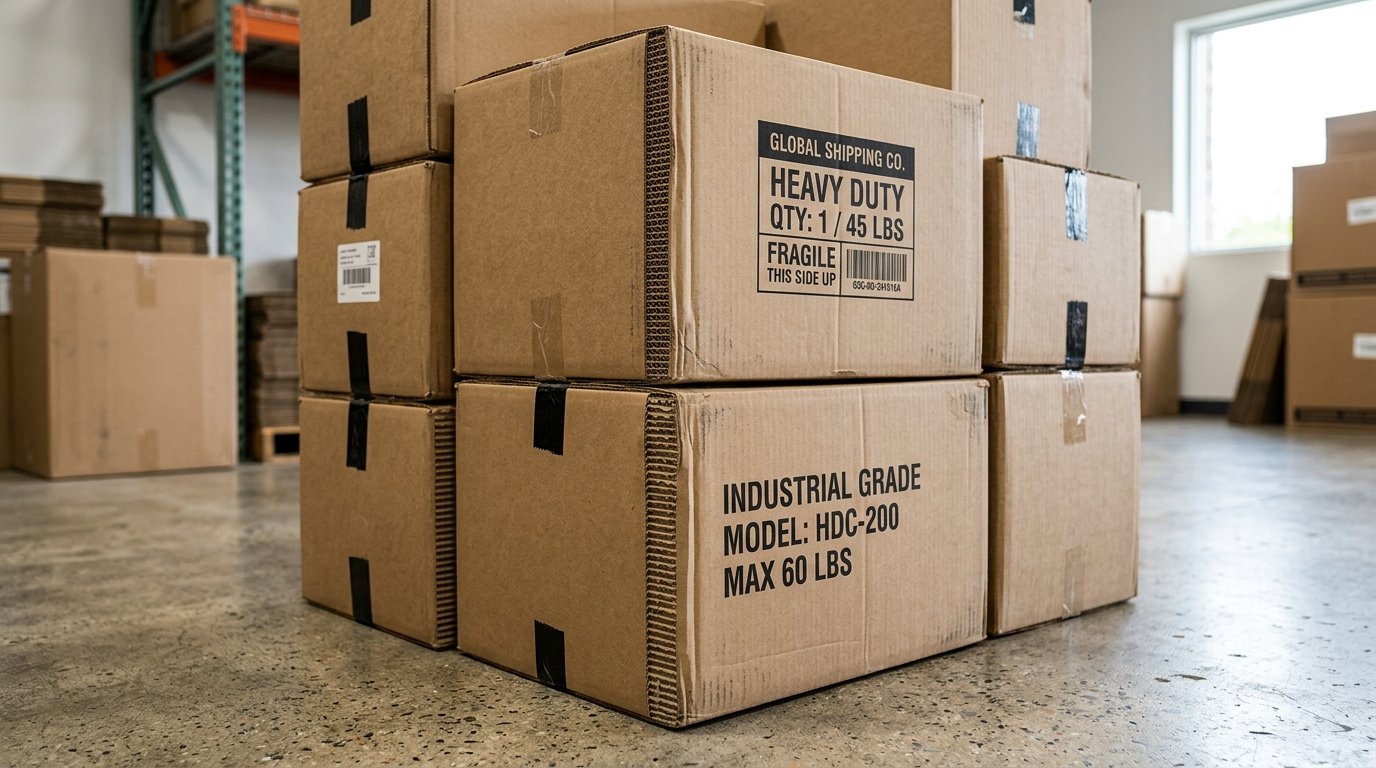
Corrugated cardboard strength is primarily determined by how many fluted and linerboard sheets are layered together:
### 1. Single-Wall Corrugated (3 Layers: Liner - Flute - Liner)
- Structure: One fluted corrugated medium sandwiched between two flat linerboards (e.g., E, B, or C flute).
- Best for: Standard e-commerce mailers, retail product boxes, subscription boxes, and items weighing up to 10kg–15kg.
- Benefits: Lightweight, cost-effective, easy to fold, and highly printable.
- Structure: Two fluted layers combined with three linerboards (commonly BC-flute or EB-flute).
- Best for: Heavy goods, fragile electronics, glassware, bulk shipping cartons, and items weighing up to 30kg–40kg.
- Benefits: Outstanding puncture resistance, superior vertical stack strength, and excellent shock absorption in courier networks.
- Structure: Three fluted mediums between four heavy-duty liners.
- Best for: Heavy industrial equipment, machinery parts, automotive components, chemical shipping, and export freight replacing timber wooden crates.
- Benefits: Capable of supporting several hundred kilograms with extraordinary crushing resistance.
- E-Commerce Mailer: Single Wall (E-Flute or B-Flute)
- Outer Shipping Master Carton: Double Wall (BC-Flute)
- Heavy Industrial / Export: Triple Wall
### 2. Double-Wall Corrugated (5 Layers: Liner - Flute - Liner - Flute - Liner)
### 3. Triple-Wall Corrugated (7 Layers: 3 Flutes + 4 Liners)
### Summary Selection Guide: