Comprehensive Guide & Technical Breakdown
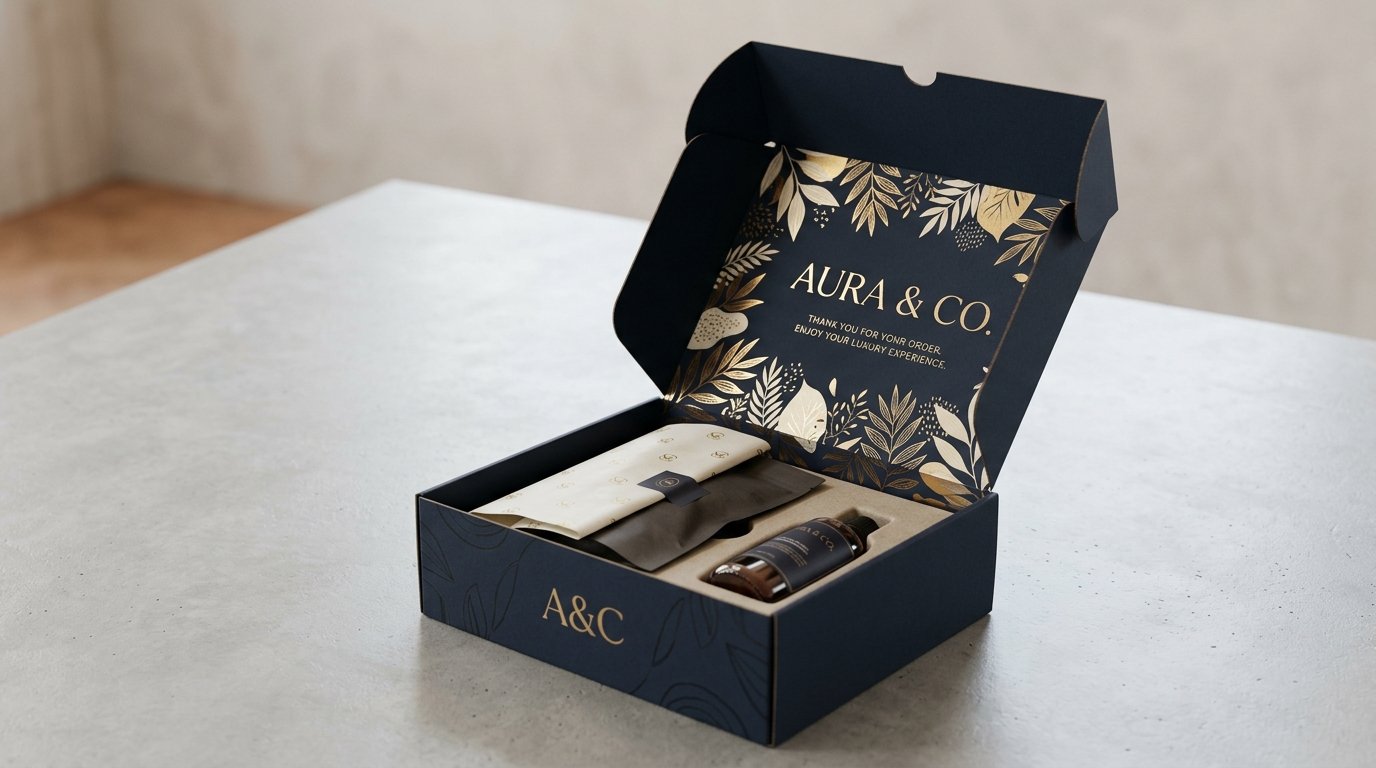
Offset lithographic printing (offset litho) is the dominant printing method for high-quality packaging. Ink is transferred from a plate to a rubber blanket roller, then rolled onto the printing surface — hence "offset".
Why offset printing is preferred for packaging:
- Superior colour accuracy — Pantone spot colours can be matched precisely
- Consistent quality — every print is identical across large runs
- Cost-effective at scale — per-unit cost drops significantly at higher quantities
- Versatile — prints on paperboard, corrugated, uncoated stock, and specialty materials
- Excellent detail — crisp text, fine lines, and photographic images
- Print runs over 1,000 units
- When Pantone colour matching is essential
- Premium packaging requiring the finest print quality
- Projects needing extensive finishing (foiling, embossing)
Offset printing process for packaging:
1. Pre-press: artwork separated into CMYK (or spot colour) plates
2. Plates mounted on press cylinders
3. Ink applied to plates, transferred to blankets, then to stock
4. Post-press: cutting, creasing, folding, gluing
When is offset best?
For shorter runs under 500–1,000 units, digital printing may be more cost-effective.