Comprehensive Guide & Technical Breakdown
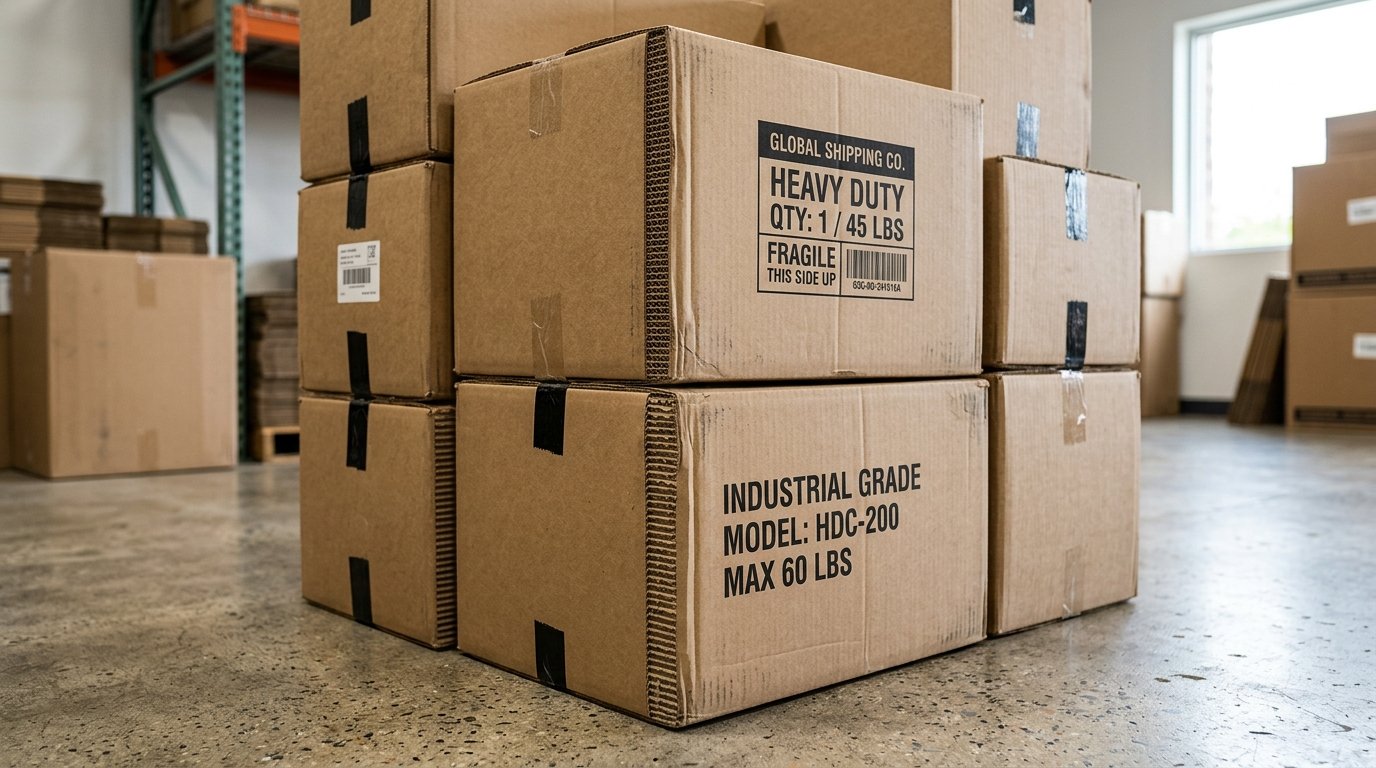
Tuck-end folding cartons are the most common retail boxes in the world. The difference between straight tuck and reverse tuck comes down to the direction the top and bottom flaps fold:
### 1. Straight Tuck End (STE):
- Orientation: Both the top and bottom closure flaps tuck in from the same side (usually from front to back).
- Appearance: The front panel of the box is completely clean with no raw paperboard edges visible at either top or bottom.
- Best for: High-end cosmetics, luxury perfumes, and retail items where front shelf aesthetics must look immaculate.
- Orientation: The top flap tucks from front to back, while the bottom flap tucks from back to front (opposite directions).
- Appearance: One raw paper edge shows at the front bottom.
- Manufacturing Efficiency: RTE dielines nest together more tightly on paperboard sheets, resulting in less paper waste and lower unit costs at scale.
- Best for: Pharmaceuticals, medical devices, hardware, and high-volume retail goods.
### 2. Reverse Tuck End (RTE):