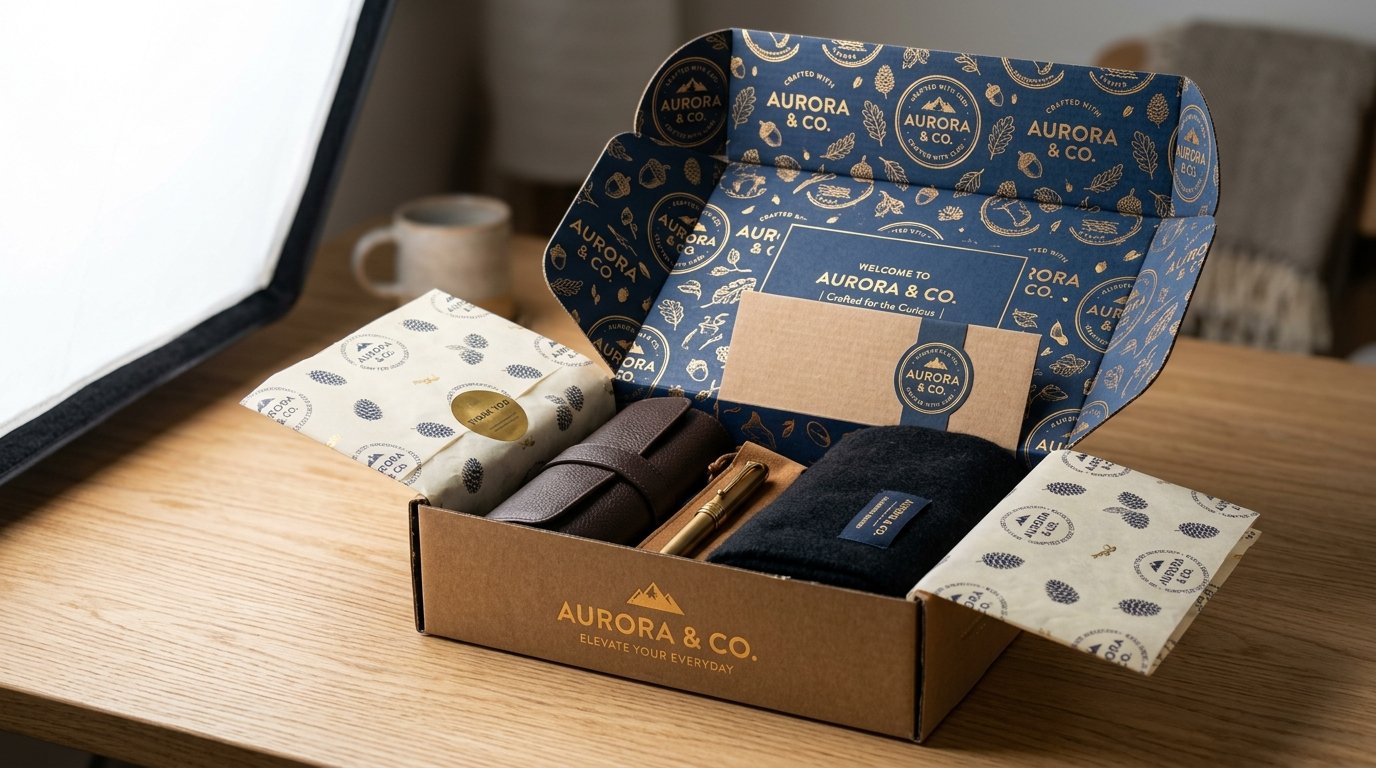
Digital printing transfers artwork directly from a digital file onto the packaging substrate — no printing plates required. Modern digital presses use inkjet or toner-based systems, and the latest HP Indigo, Landa, and inkjet UV presses produce quality approaching offset litho.
Advantages of digital printing for packaging:
- No plates — no tooling cost, so short runs are economical
- Fast turnaround — orders ready in days rather than weeks
- Variable data — each box can have a different name, code, or design
- Low minimum order quantities — practical even for 50–200 units
- Personalisation — run multiple SKUs or seasonal designs cost-effectively
- Higher per-unit cost at large volumes versus offset
- Pantone spot colour matching is less precise (though improving)
- Some specialty substrates and very large formats are not digitally printable
- Certain premium finishes (foiling, embossing) require additional offline processes
Limitations of digital:
Digital vs Offset — which to choose?
| | Digital | Offset |
|---|---|---|
| MOQ | 50–500 | 500–1,000+ |
| Turnaround | 3–5 days | 2–4 weeks |
| Per-unit cost (low vol) | Lower | Higher |
| Per-unit cost (high vol) | Higher | Lower |
| Colour accuracy | Good | Excellent |
For startups and growing brands, digital printing allows you to test packaging designs and order in smaller quantities before committing to a large offset run.