Comprehensive Guide & Technical Breakdown
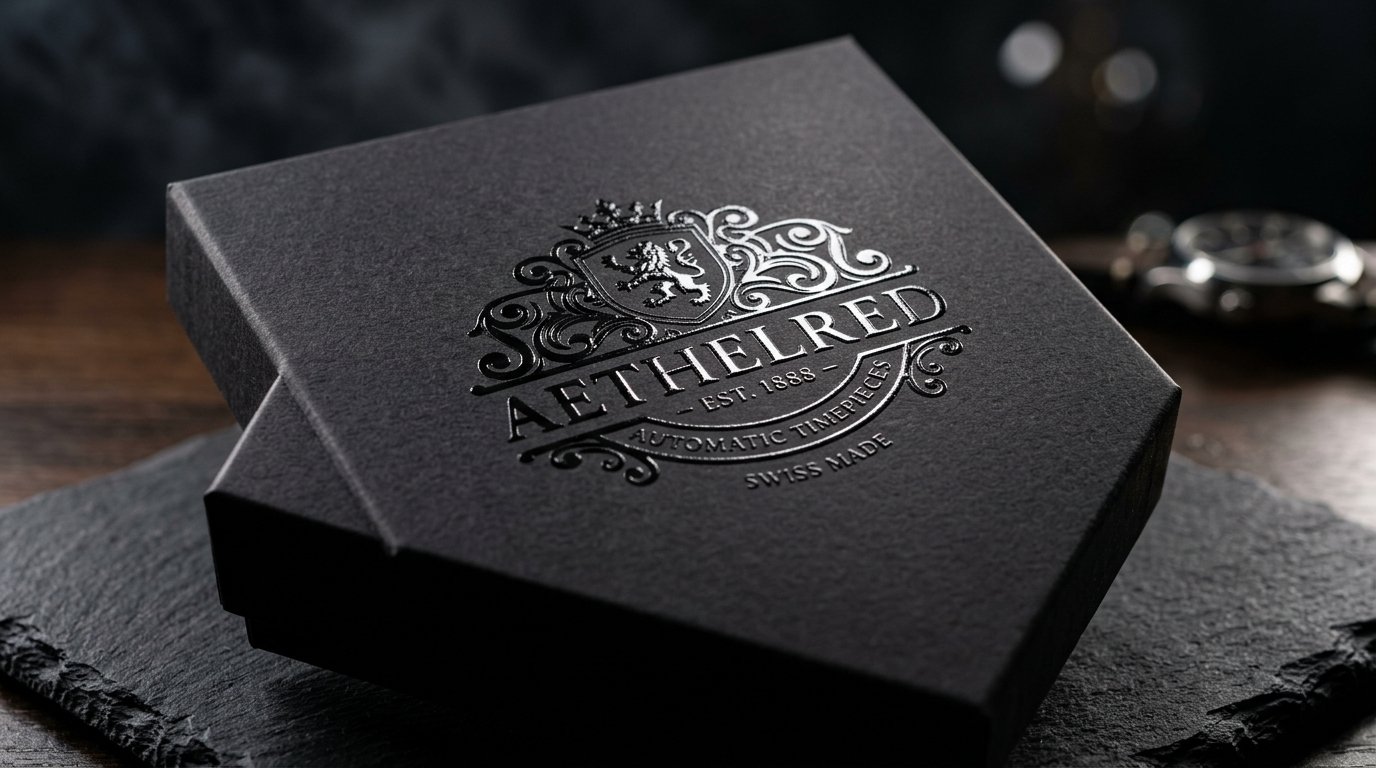
Both hot foil stamping and cold foil printing apply brilliant metallic effects to packaging, but use completely different mechanical methods:
### 1. Hot Foil Stamping (Traditional Tooling Method)
- Process: Uses a heated custom brass or magnesium die to press metallic foil into the board under high pressure.
- Visuals: Creates a deep, crisp metallic impression with slight physical deboss into the board. Unmatched high-gloss brilliance.
- Best for: Short-to-medium runs (500–5,000 units), thick rigid boxes, textured paperboards, and designs requiring high tactile depth.
- Process: An inline offset printing unit applies UV adhesive to the board, presses foil onto the glue, and cures it with UV light—all in a single continuous pass.
- Visuals: Completely flat surface. Allows overprinting CMYK directly on top of foil, enabling millions of iridescent metallic gradients and half-tones!
- Best for: Long production runs (10,000+ units), high-speed folding cartons, labels, and complex photographic metallic artwork.
### 2. Cold Foil Printing (Inline High-Speed Method)