Comprehensive Guide & Technical Breakdown
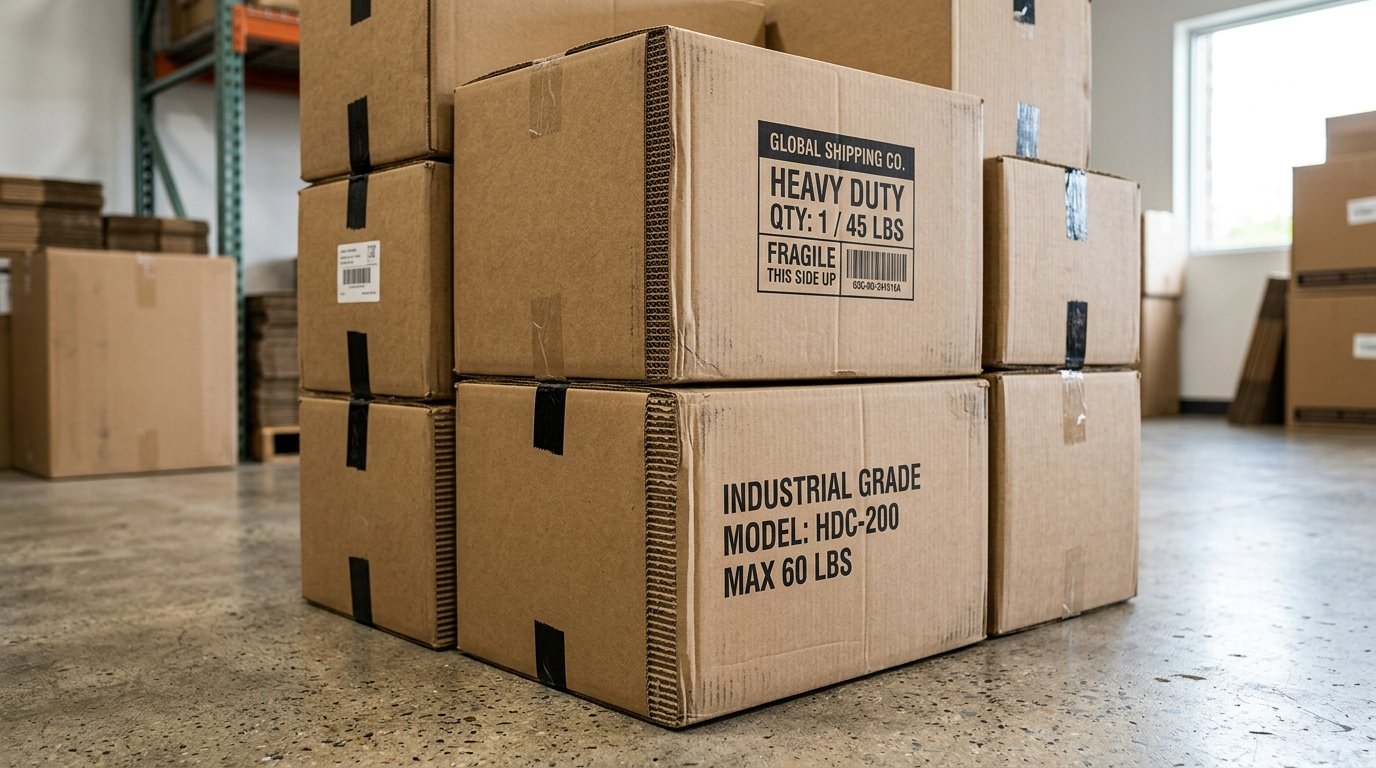
Corrugated cardboard (also called corrugated fiberboard) consists of a fluted, wave-shaped sheet sandwiched between two flat linerboard sheets. This construction gives it exceptional strength and cushioning properties relative to its weight.
Types of corrugated fluting:
- A-flute — Thickest (5mm), best cushioning, used for fragile or heavy items
- B-flute — Medium (3mm), good crush resistance, common for shipping boxes
- C-flute — Most common (4mm), balanced strength and cushioning
- E-flute — Thin (1.5mm), smooth surface ideal for printed retail packaging
- F-flute — Very thin (0.75mm), used for small product boxes
- Shipping products via courier or postal services
- Heavy or fragile products needing cushioning
- Subscription boxes and e-commerce packaging
- Products that need to be stacked (the fluting provides excellent stack strength)
- Single wall — standard shipping cartons
- Double wall — heavy or valuable goods
- Triple wall — industrial shipping, very heavy items
When to use corrugated packaging:
Single vs Double vs Triple Wall:
For most e-commerce businesses, C-flute single wall corrugated is the go-to choice — it balances protection, print quality, and cost effectively.